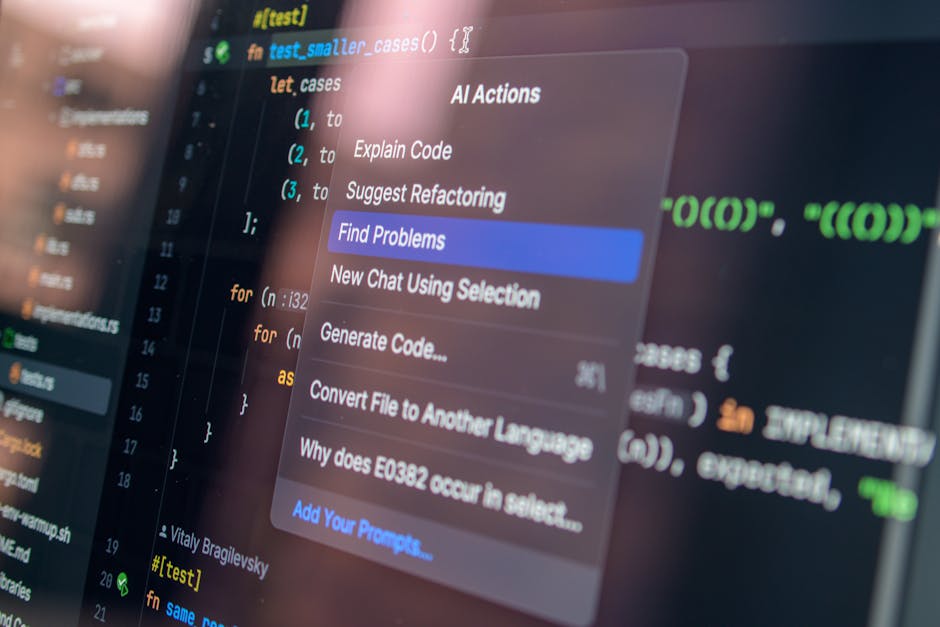
As the digital landscape evolves, productivity has taken on new dimensions, driven largely by advancements in artificial intelligence (AI). From automating mundane tasks to enhancing decision-making processes, AI tools have become indispensable for individuals and businesses alike. In this article, we will explore the top 10 AI tools for productivity that are not only transforming workflows but also redefining how we approach our daily tasks.
1. Trello
Trello is a project management tool that utilizes AI to streamline task management and collaboration. By offering a visual overview of tasks and progress through boards, lists, and cards, Trello simplifies project tracking. The AI-enhanced features, such as automated task assignments and deadline reminders, allow teams to stay organized and focused. For example, companies like Fender have effectively used Trello to manage their product development cycles, resulting in enhanced team collaboration and efficiency.
2. Notion
Notion combines note-taking, task management, and database capabilities into one cohesive platform. Its AI features include smart suggestions for organizing notes and tasks, which can significantly enhance productivity. With the integration of AI, Notion helps users prioritize their work based on deadlines and project importance. Major organizations, including IBM, leverage Notion to streamline internal documentation and knowledge sharing, leading to improved operational efficiency.

3. Grammarly
Grammarly is an AI-powered writing assistant that ensures your writing is clear, effective, and error-free. By analyzing text in real-time, Grammarly provides suggestions for grammar, style, and tone adjustments. This tool is especially beneficial for professionals who need to produce high-quality written content quickly, such as marketers and content creators. Companies like HubSpot use Grammarly to maintain a consistent brand voice across all communications, enhancing their overall credibility and professionalism.
4. Zapier
Zapier is an automation tool that connects various applications and automates repetitive tasks. By utilizing AI, Zapier can intelligently trigger actions based on specific conditions across integrated apps, saving time and minimizing errors. For instance, a marketing team might use Zapier to automatically add new leads from a web form into their CRM, eliminating manual data entry. This level of automation allows teams to focus on strategic initiatives rather than mundane tasks.
5. Todoist
Todoist is a task management app that incorporates AI to help users prioritize their tasks effectively. The AI engine analyzes user behavior and suggests optimal task organization based on deadlines and personal productivity patterns. Users can set recurring tasks and receive reminders, ensuring nothing falls through the cracks. Organizations such as Google encourage their employees to use Todoist to manage their workloads, leading to improved time management and overall productivity.
6. Slack
Slack is a communication platform that has revolutionized team collaboration. With its AI-driven features, Slack can prioritize messages, suggest relevant channels, and even automate routine inquiries through bots. This ensures that teams can stay connected and informed without the clutter of emails. Companies like Airbnb rely on Slack for seamless communication, which enhances teamwork and boosts project turnaround times. The integration of AI within Slack makes it a powerful tool for enhancing workplace communication.
7. Microsoft 365 Copilot
Microsoft 365 Copilot is a groundbreaking AI tool that enhances productivity by integrating directly into Microsoft Office applications like Word, Excel, and PowerPoint. By leveraging AI, it can provide context-aware suggestions, automate repetitive tasks, and help users create content more efficiently. Organizations that utilize Microsoft 365 Copilot report a noticeable increase in productivity, as employees can focus on more strategic tasks while the AI handles the mundane aspects of document creation and data analysis.
8. ClickUp
ClickUp is a versatile project management tool that employs AI to optimize task management and team collaboration. Its AI capabilities include intelligent task prioritization and automated scheduling, which help teams stay on track with their projects. Companies like Samsung use ClickUp to manage complex projects across multiple departments, resulting in more streamlined workflows. The ability to integrate with various third-party applications further enhances its functionality, making ClickUp a robust tool for productivity.
9. Otter.ai
Otter.ai is an AI-driven transcription service that converts spoken language into written text with remarkable accuracy. This tool is particularly useful for professionals who attend meetings and want to keep detailed records without the hassle of manual note-taking. By using Otter.ai, companies can ensure that all meeting discussions are captured, allowing for better follow-up and accountability. Organizations like Dropbox utilize Otter.ai to enhance their meeting productivity and ensure that teams are aligned on action items.
10. Zoom
Zoom, primarily known for its video conferencing capabilities, has integrated AI features that enhance user experience and productivity during online meetings. AI functionalities include virtual backgrounds, noise cancellation, and real-time transcription. These features help create a more professional environment and facilitate clearer communication during virtual meetings. Companies such as Cisco have adopted Zoom as their primary communication tool, recognizing the significant impact AI has on improving remote collaboration.
Conclusion
The integration of AI tools into daily workflows has the potential to revolutionize productivity across various sectors. From task management to communication, these tools not only enhance efficiency but also allow professionals to focus on higher-value tasks. As AI technology continues to advance, we can expect even more innovative solutions that will redefine productivity standards. By embracing these top 10 AI tools, individuals and organizations can position themselves at the forefront of productivity in an increasingly competitive landscape.
