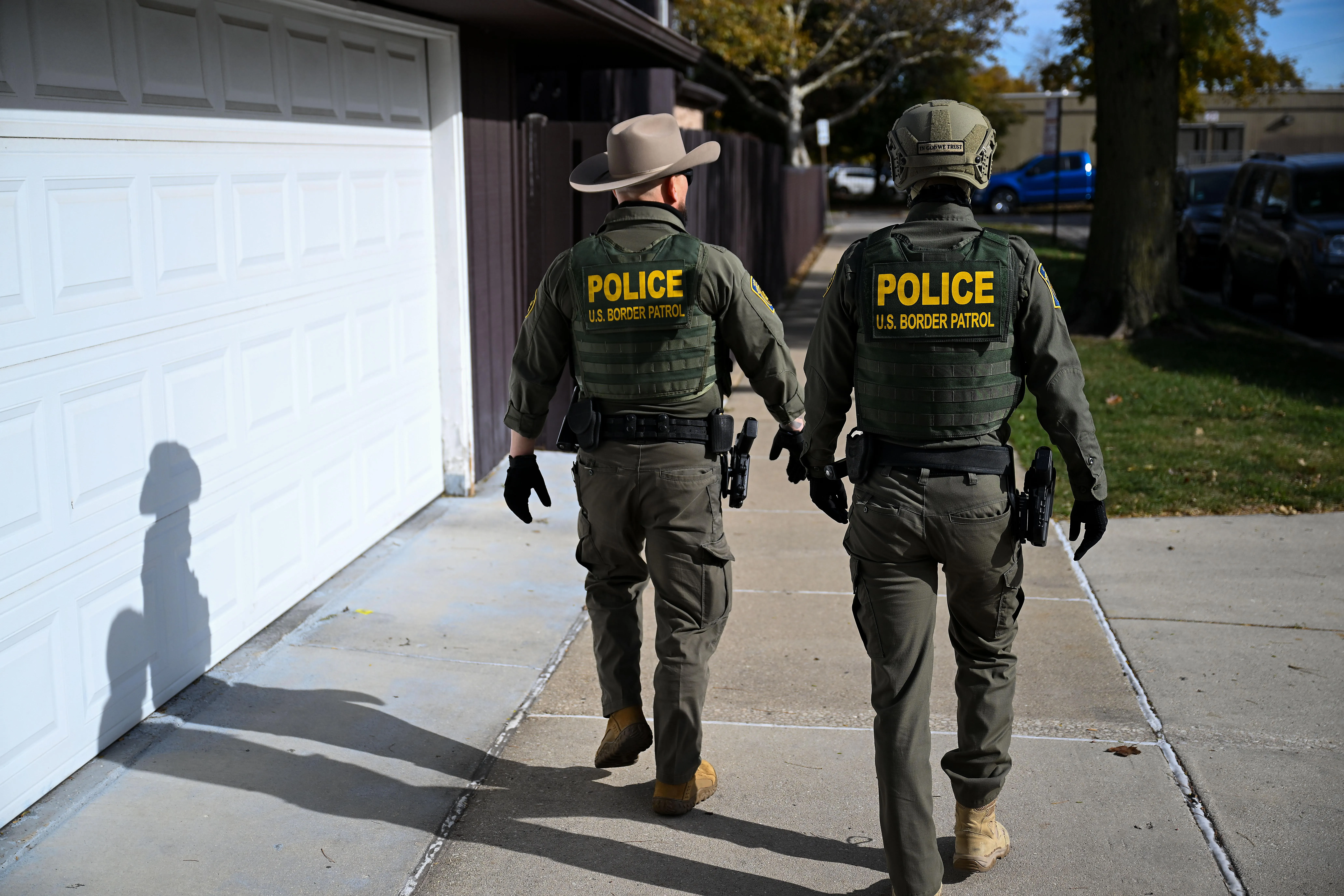
In a deeply troubling development, a recent investigation has illuminated how U.S. Immigration and Customs Enforcement (ICE) has intensified arrests in New York City, disproportionately affecting Latino communities. The analysis reveals that between October 2025 and March 2026, an alarming 93% of the 430 street arrests conducted in the metropolitan area involved individuals of Latino descent, despite this group comprising only 66% of the local undocumented population.
Targeting the Innocent
ICE, under the direction of border security chief Tom Homan, has repeatedly hinted at an influx of agents into densely populated urban centers. However, the findings from investigative outlet The City underscore that the agency does not require advanced surveillance technology to conduct its operations. Instead, the report suggests a reliance on racial profiling has become systemic, with agents arresting individuals based primarily on racial similarities rather than evidence of illegal status.
Recent court documents have revealed a series of troubling encounters; agents often detain those merely resembling their intended targets. In one instance, a Guatemalan man was apprehended after agents pursued and arrested multiple people they believed fit their criteria, a disturbing indictment of current enforcement tactics that hinge on superficial traits.
Judicially Sanctioned Practices
The scrutiny surrounding ICE’s tactics follows a backlash against “Operation Metro Surge” in Minnesota, where a federal judge condemned the agency's practices of warrantless arrests driven predominantly by race. Despite this, Homan defended the measures, asserting that ICE is now employing what he termed “smart enforcement” to justify their sweeping operations.
Nevertheless, the evidence paints a starkly different picture. Court records, corroborated by analyses from organizations like the NAACP Legal Defense Fund, indicate that more than 400,000 arrests were made during the early months of Donald Trump’s second term, with a significant portion targeting individuals without criminal histories or existing deportation orders. Experts are increasingly alarmed by the implications of these practices, pointing to a rising number of lawsuits alleging unlawful racial profiling.
Legal and Social Implications
The Supreme Court's recent rulings, which effectively sanction racial profiling in immigration enforcement, have left vulnerable communities without clear legal recourse. In a landmark 6-3 decision, the Court allowed ICE agents to stop individuals based on their perceived race or ethnicity, exacerbating fears among many in immigrant communities.
In addition to ICE’s increasing presence, local law enforcement agencies have also expanded their role in immigration enforcement, guided by a revival of 287(g) agreements, which enable local police to act on behalf of federal immigration authorities. This collaborative approach has resulted in heightened tensions and anxiety within immigrant-populated neighborhoods.
A Widening Concern
As the situation unfolds, the community grapples with the dual threat of heightened surveillance and the pervasive specter of deportation. The findings not only highlight the troubling consequences of current immigration policies but also provoke a critical conversation about the balance between enforcing immigration laws and safeguarding civil rights.
With mounting scrutiny of ICE’s practices and growing public dissent, the path forward remains contentious, as advocates call for policy re-evaluation and reform to ensure just and humane treatment of all individuals, irrespective of their immigration status.
Source: The Verge
Source: The Verge