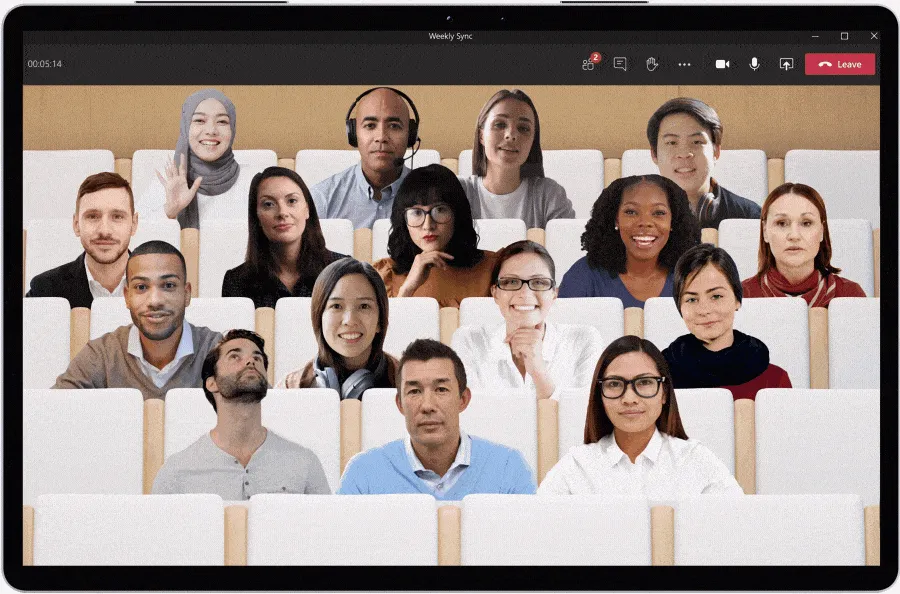
In a significant pivot for its Teams collaboration platform, Microsoft has announced the retirement of the popular Together Mode feature, initially launched as a creative solution during the pandemic. The decision comes as the tech giant aims to enhance video quality and overall performance, moving away from what it deems 'gimmicky' features.
Launched in 2020, Together Mode was designed to simulate a shared physical space, bringing a sense of community to virtual meetings by arranging participants in a virtual conference room setting. This feature utilized advanced artificial intelligence to cut out users’ images from their surroundings, allowing for a more immersive experience. In its heyday, it brought a playful touch to work-from-home life, enabling users to engage in virtual interactions like giving high-fives or tapping colleagues on the shoulder, albeit from the comfort of their homes.
However, as the landscape of remote work has evolved, Microsoft is shifting its focus. The company stated that the phased removal of Together Mode is intended to streamline the user interface, aiming for fewer distractions and a more intuitive experience. With the toggle for Together Mode disappearing from the user menu, associated features such as virtual seating arrangements and themed backgrounds will also be phased out.
Microsoft’s rationale includes efforts to reduce fragmentation across different platforms, which the company believes will lead to improved stability and performance for all users. By consolidating its functionality, Microsoft plans to allocate more resources to enhancing video quality and the overall user experience, a move reflecting the changing demands of its diverse user base.
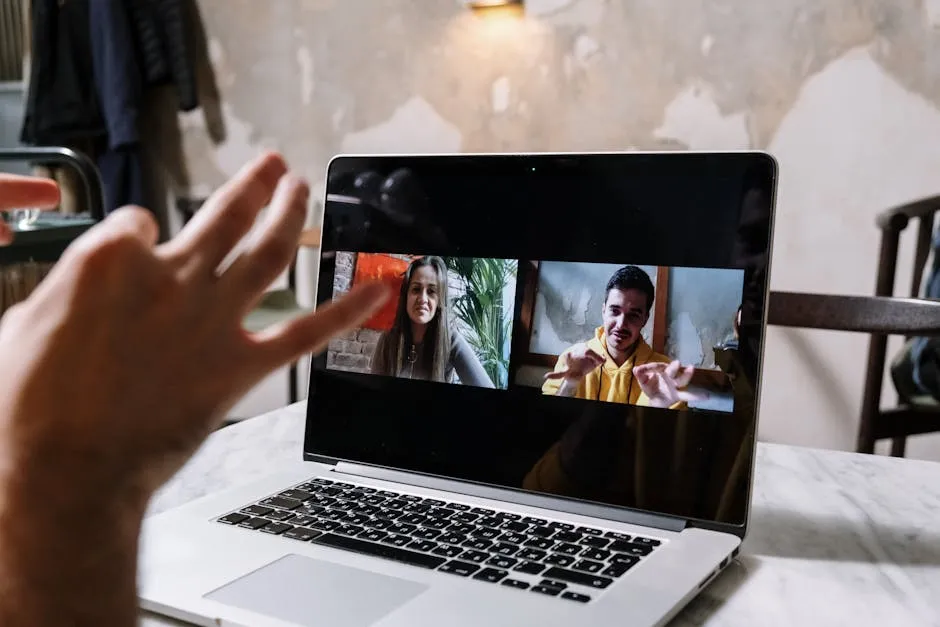
This latest development highlights an ongoing trend in the technology industry where companies assess and adapt their offerings based on user feedback and emerging workplace dynamics. The retirement of Together Mode marks a notable shift as Microsoft navigates the post-pandemic world, emphasizing reliability and performance over novelty.
For further details, visit The Verge.
Source: The Verge